Living a Full Life with Chronic Disease: Navigating Healthcare Challenges
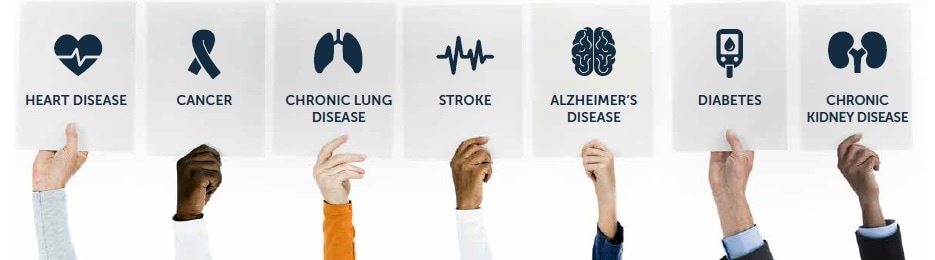
In the intricate landscape of healthcare, chronic diseases cast a significant shadow, affecting millions of lives across the globe. Whether it's diabetes, heart disease, arthritis, or other long-term conditions, managing chronic diseases demands resilience, support, and a proactive approach to healthcare. In this comprehensive guide, we explore the complexities of chronic disease management, shedding light on prevailing healthcare issues, policy considerations, and the social dimensions that influence the lives of those navigating the challenges of chronic conditions.
Understanding Chronic Disease Management: A Holistic Approach
Living with a chronic condition goes beyond the management of symptoms; it involves embracing a holistic approach to healthcare. Chronic diseases often require long-term management strategies that encompass medical interventions, lifestyle modifications, and emotional well-being.
Holistic Healthcare Strategies:
Chronic disease management involves a combination of medical treatments, lifestyle adjustments, and psychological support. It's not just about addressing symptoms but creating a comprehensive strategy that considers the individual's physical, emotional, and social well-being.
Patient Empowerment:
Empowering individuals to actively participate in their healthcare is a cornerstone of chronic disease management. Educating patients about their conditions, treatment options, and self-care practices fosters a sense of control and helps in making informed decisions.
Lifestyle Modifications:
Lifestyle plays a pivotal role in managing chronic diseases. Adopting a healthy diet, engaging in regular physical activity, managing stress, and avoiding harmful habits contribute to overall well-being and can positively impact the course of chronic conditions.
Medical Interventions:
Medications, therapies, and interventions prescribed by healthcare professionals are crucial components of chronic disease management. Regular medical check-ups, adherence to prescribed treatments, and open communication with healthcare providers are vital for effective management.
Prevalent Healthcare Issues in Chronic Disease Management:
Healthcare Issues in America:
In the United States, the management of chronic diseases is a multifaceted challenge. Issues such as access to healthcare, affordability of medications, and fragmented care delivery contribute to the complexity of chronic disease management.
Universal Healthcare and Social Justice Issues:
The absence of universal healthcare in some countries exacerbates social justice issues in chronic disease management. Disparities in access to quality care, preventive services, and essential medications create an uneven healthcare landscape.
Current Healthcare Issues:
Current healthcare challenges extend to chronic disease management, including limited resources, a focus on acute care rather than preventive measures, and barriers to accessing specialized care.
Legal Issues in Healthcare:
Legal considerations come into play in chronic disease management, particularly concerning patient rights, access to medical records, and the protection of individuals with chronic conditions from discrimination.
Social Issues in Healthcare:
Social determinants of health significantly impact chronic disease management. Factors like socio-economic status, education, and community resources influence an individual's ability to manage their condition effectively.
Policy Considerations in Chronic Disease Management:
Healthcare Policy Issues:
Addressing chronic diseases necessitates a reevaluation of healthcare policies. Policies should focus on preventive care, patient education, and comprehensive support systems to enhance chronic disease management.
Current Issues in Healthcare Policies:
Current policy issues include the need for a shift towards value-based care, improving access to preventive services, and ensuring that chronic disease management is integrated into the broader healthcare framework.
Universal Healthcare and Chronic Disease Management:
The pursuit of universal healthcare can significantly impact chronic disease management by ensuring that all individuals have access to necessary medical interventions, medications, and support services.
Social Justice and Equity in Policies:
Policies should strive to eliminate disparities in chronic disease management by addressing social determinants of health. This includes measures to improve access to healthcare resources, reduce inequalities, and foster an inclusive healthcare environment.
Navigating Legal and Social Dimensions:
Legal Protections for Individuals:
Legal frameworks should ensure that individuals with chronic conditions are protected from discrimination in employment, education, and other aspects of life. Clear legal protections contribute to a supportive environment for those managing chronic diseases.
Social Support Systems:
Social support is crucial for individuals with chronic conditions. Creating support systems within communities, workplaces, and healthcare settings helps individuals cope with the challenges of chronic disease management.
Cultural Competency in Healthcare:
Healthcare providers must be culturally competent to understand and address diverse perspectives on chronic disease management. Recognizing cultural nuances ensures that care is tailored to individual needs and beliefs.
Conclusion: Living Fully with Chronic Conditions
While chronic diseases present substantial challenges, a proactive approach to management allows individuals to lead full and meaningful lives. Addressing healthcare issues, advocating for policy changes, and fostering social support contribute to creating an environment where chronic disease management is not just a journey of survival but an exploration of a life lived to its fullest potential. By recognizing the interconnectedness of medical, social, and policy dimensions, we can collectively strive towards a future where chronic disease management is holistic, inclusive, and supportive of every individual's well-being.
Frequently Asked Questions: Living a Full Life with Chronic Disease
Q1: What is chronic disease management?
A1: Chronic disease management involves a comprehensive approach to healthcare for individuals living with long-term conditions like diabetes, heart disease, or arthritis. It encompasses medical treatments, lifestyle adjustments, and emotional well-being to enhance overall health and well-being.
Q2: What are holistic healthcare strategies in chronic disease management?
A2: Holistic healthcare strategies in chronic disease management go beyond treating symptoms. They involve a combination of medical treatments, lifestyle adjustments (such as a healthy diet and regular exercise), and psychological support to address the physical, emotional, and social aspects of an individual's well-being.
Q3: How does patient empowerment play a role in chronic disease management?
A3: Patient empowerment is crucial in chronic disease management. It involves educating individuals about their conditions, treatment options, and self-care practices. Empowered patients actively participate in their healthcare decisions, fostering a sense of control over their well-being.
Q4: What lifestyle modifications are recommended for managing chronic diseases?
A4: Lifestyle modifications include adopting a healthy diet, engaging in regular physical activity, managing stress, and avoiding harmful habits. These modifications contribute to overall well-being and positively impact the course of chronic conditions.
Q5: What are prevalent healthcare issues in chronic disease management?
A5: Healthcare issues in chronic disease management include challenges in access to healthcare, affordability of medications, fragmented care delivery, social justice disparities, and limited resources for preventive measures.


Comments
Post a Comment