The Science of Sleep: Importance and Tips for Better Sleep
In the hustle and bustle of modern life, where deadlines loom and responsibilities abound, the importance of a good night's sleep often takes a back seat. However, the science of sleep underscores its vital role in our overall health and well-being. In this comprehensive guide, we delve into the significance of quality sleep, shed light on common sleep issues, and provide practical tips for achieving better sleep. Additionally, we touch upon the broader context of healthcare issues, including affordability, cultural considerations, and ethical dimensions.
Understanding the Science of Sleep: A Crucial Biological Need
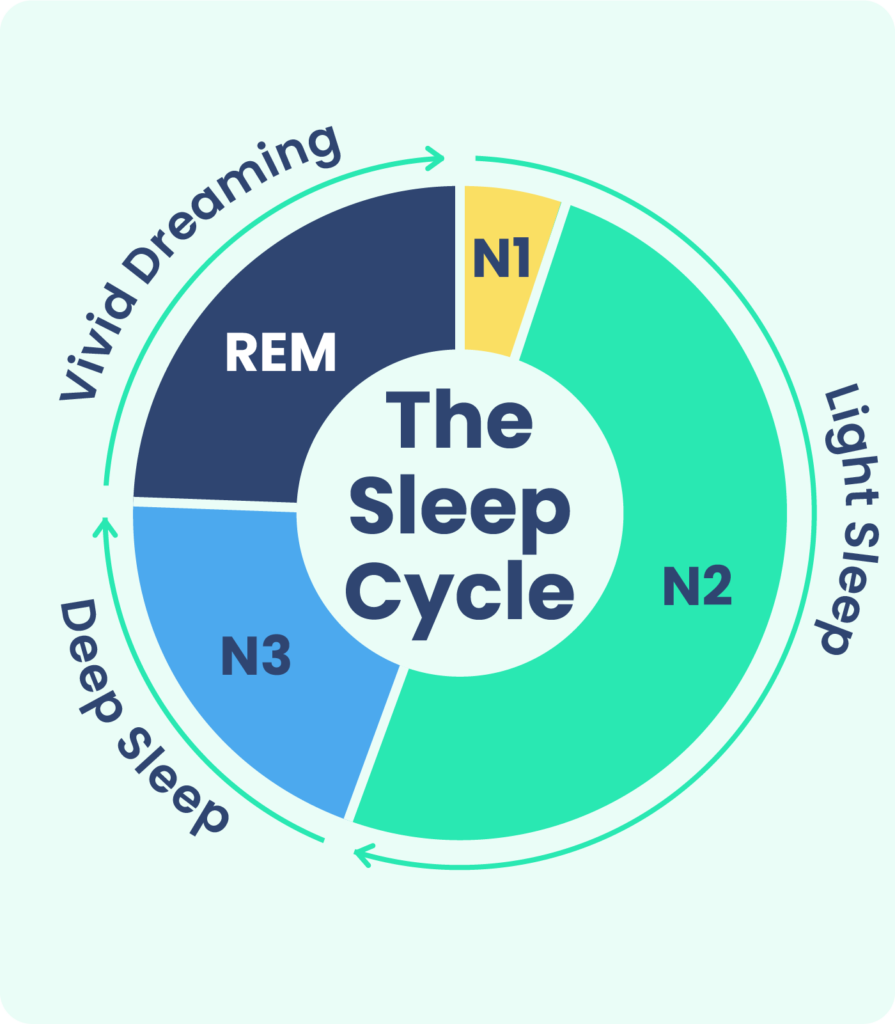
Sleep is not merely a passive state but a complex and dynamic process that involves different stages, each serving specific functions. The two main types of sleep are Rapid Eye Movement (REM) sleep and Non-Rapid Eye Movement (NREM) sleep, which further divides into multiple stages.
During NREM sleep, the body repairs tissues, builds bone and muscle, and strengthens the immune system. REM sleep, on the other hand, is essential for cognitive functions, memory consolidation, and emotional regulation. A complete sleep cycle typically lasts around 90 to 110 minutes, and adults should aim for 7-9 hours of sleep per night for optimal health.
The Importance of Quality Sleep for Health and Well-being
Cognitive Function: Adequate sleep is crucial for cognitive functions such as memory, concentration, and problem-solving. It enhances learning and creativity while preventing cognitive decline.
Physical Health: Quality sleep contributes to the overall well-being of the body. It supports the immune system, aids in the repair and growth of tissues, and regulates hormones that influence appetite and stress.
Emotional Well-being: Sleep plays a significant role in emotional regulation and mental health. Chronic sleep deprivation is linked to an increased risk of anxiety and depression.
Heart Health: Lack of sleep is associated with an increased risk of heart disease, high blood pressure, and stroke. Quality sleep contributes to the maintenance of a healthy cardiovascular system.
Weight Management: Sleep influences the hormones that control hunger and appetite. Inadequate sleep can lead to weight gain and obesity.
Common Sleep Issues and Healthcare Considerations
Healthcare Affordability Issues:
While the importance of quality sleep is clear, many individuals face barriers to accessing adequate healthcare, including sleep-related services. Affordability is a significant concern, with sleep studies, consultations, and treatments often posing financial challenges. Addressing healthcare affordability issues is essential for ensuring that everyone has access to the necessary resources for improving sleep.
Healthcare Issues in the US:
In the United States, sleep-related problems are pervasive. Insufficient sleep affects a substantial portion of the population, leading to various health issues. The fragmented nature of the healthcare system in the US can pose challenges in providing comprehensive sleep-related care. Addressing these issues requires a holistic and integrated approach to healthcare delivery.
Issues in Healthcare Today:
Current healthcare challenges extend to sleep-related issues, encompassing a lack of awareness, limited resources, and the need for a more patient-centric approach. Healthcare professionals and policymakers must prioritize sleep health as an integral component of overall well-being.
Issues in the Healthcare System:
Within the broader healthcare system, sleep-related issues often face systemic challenges. These may include insufficient training for healthcare providers in sleep medicine, limited insurance coverage for sleep-related services, and fragmented care delivery. Recognizing and addressing these issues can lead to more effective sleep-related interventions.
Cultural Issues in Healthcare:
Cultural considerations play a significant role in sleep health. Cultural attitudes toward sleep, sleep practices, and societal expectations around work and rest can influence sleep patterns. Culturally sensitive healthcare practices are vital for understanding and addressing diverse perspectives on sleep.
Current Healthcare Policy Issues:
Sleep health should be a priority in healthcare policy discussions. Integrating sleep education into healthcare policies, promoting research on sleep-related issues, and advocating for comprehensive sleep assessments within routine healthcare practices are crucial steps in addressing current healthcare policy issues.
Ethical Healthcare Issues:
Ethical considerations in healthcare extend to sleep medicine. Ensuring equitable access to sleep-related care, respecting patient autonomy in treatment decisions, and promoting informed consent are essential ethical principles in addressing sleep-related issues.
Ethical Issues and Healthcare:
Ethical issues in healthcare, including privacy concerns in sleep studies and the potential misuse of sleep data, underscore the importance of ethical guidelines. Striking a balance between advancing sleep research and safeguarding patient rights is paramount.
Ethical Issues Healthcare:
The ethical dimensions of sleep healthcare encompass considerations such as transparency in treatment options, avoiding unnecessary interventions, and ensuring patient well-being. Healthcare providers must navigate these ethical issues to deliver patient-centered care.
Global Healthcare Issues:
Sleep-related issues are not confined to any specific region, and they constitute a global healthcare concern. Access to sleep health resources, awareness campaigns, and international collaboration on sleep research contribute to addressing global healthcare issues related to sleep.
Practical Tips for Better Sleep: Integrating Sleep Hygiene
Consistent Sleep Schedule: Go to bed and wake up at the same time every day, even on weekends.
Create a Restful Environment: Make your bedroom comfortable, quiet, dark, and cool. Consider using blackout curtains and white noise machines.
Limit Screen Time: Reduce exposure to screens before bedtime, as the blue light emitted can interfere with the production of the sleep hormone melatonin.
Watch Your Diet: Avoid large meals, caffeine, and alcohol close to bedtime. Opt for a light snack if you're hungry before sleep.
Regular Exercise: Engage in regular physical activity, but avoid vigorous exercise close to bedtime.
Manage Stress: Practice relaxation techniques such as deep breathing, meditation, or yoga to manage stress levels.
Evaluate Your Mattress and Pillows: Ensure that your mattress and pillows provide adequate support and comfort.
Limit Naps: If you need to nap, keep it short (20-30 minutes) and earlier in the day.
Seek Professional Help: If sleep issues persist, consult a healthcare professional or sleep specialist for a comprehensive assessment and guidance.
Conclusion: Prioritizing Sleep in the Landscape of Healthcare
As we navigate the intricate landscape of healthcare, it's essential to recognize that sleep is not a luxury but a fundamental biological need. Addressing healthcare affordability issues, cultural considerations, and ethical dimensions surrounding sleep health is integral to promoting overall well-being. By prioritizing sleep in healthcare policies, fostering awareness, and providing accessible resources, we can collectively work toward a future where everyone has the opportunity to enjoy the profound benefits of quality sleep.
FAQ: The Science of Sleep - Importance and Tips for Better Sleep
1. Why is sleep considered a crucial biological need?
Sleep is not just a passive state; it's a dynamic process involving stages like REM and NREM, each serving specific functions. It supports cognitive functions, emotional well-being, physical health, and contributes to heart health and weight management.
2. How much sleep should adults aim for per night?
Adults should aim for 7-9 hours of sleep per night to promote optimal health and well-being.
3. What are the benefits of quality sleep?
Quality sleep enhances cognitive function, supports physical health, contributes to emotional well-being, promotes heart health, and helps in weight management.
4. What are common sleep issues addressed in the guide?
The guide addresses healthcare affordability issues, sleep-related challenges in the US, issues in the current healthcare system, cultural considerations in healthcare, and ethical dimensions in sleep medicine.
5. How does healthcare affordability impact access to sleep-related services?
Affordability is a significant concern, posing financial challenges for sleep studies, consultations, and treatments. Addressing healthcare affordability is crucial for ensuring equitable access to sleep-related resources.
6. How does the fragmented healthcare system in the US affect sleep-related care?
The fragmented nature of the US healthcare system can pose challenges in providing comprehensive sleep-related care. A holistic and integrated approach to healthcare delivery is essential.


Comments
Post a Comment